
Wondering which is best, yoga or exercise? Learn the key differences, benefits, types of yoga asanas, the role of yoga in preventing lifestyle diseases, and more in this complete beginner-friendly guide.

Which Is Best: Yoga or Exercise?
Many people ask, which is best: yoga or exercise? The answer depends on your health goals. Some people want to lose weight quickly, while others want to reduce stress, improve flexibility, or prevent lifestyle diseases.
The good news is that both yoga and exercise offer incredible health benefits. However, choosing the right one can make a huge difference in your fitness journey.
Quick Comparison: Yoga vs Exercise
‘which is best yoga or exercise’……..
| Feature | Yoga | Exercise |
|---|---|---|
| Improves Flexibility | ✅ Excellent | ⭐ Moderate |
| Burns Calories | Moderate | ✅ High |
| Builds Muscle | Moderate | ✅ Excellent |
| Reduces Stress | ✅ Excellent | Good |
| Improves Mental Health | ✅ Excellent | Good |
| Weight Loss | Good | ✅ Faster |
| Joint-Friendly | ✅ Yes | Depends on workout |
Winner: There is no universal winner. The best option depends on your personal fitness goals.
What Is Yoga?
Yoga is an ancient practice that combines:
- Physical postures (Asanas)
- Breathing techniques (Pranayama)
- Meditation
- Mindfulness
Unlike traditional workouts, yoga improves both the body and the mind.

What Is Exercise?
Exercise includes any physical activity that improves strength, endurance, flexibility, or cardiovascular health.
Examples include:
- Running
- Walking
- Cycling
- Weight training
- Swimming
- HIIT workouts
- Cardio exercises
Exercise mainly focuses on physical fitness.
Which Is Best: Yoga or Exercise for Weight Loss?
If your only goal is burning calories quickly, exercise usually wins.
However, yoga also helps with weight management by:
- Reducing stress eating
- Improving digestion
- Balancing hormones
- Increasing body awareness
Best Choice
- Faster fat loss → Exercise
- Sustainable healthy lifestyle → Yoga + Exercise together
What Is the Role of Yoga in Preventing Lifestyle Diseases?
One of the biggest benefits of yoga is its ability to reduce the risk of lifestyle-related diseases.
Regular yoga practice may help:
1. Prevent High Blood Pressure
Yoga calms the nervous system and supports healthy blood circulation.
2. Reduce Diabetes Risk
Yoga improves insulin sensitivity and encourages better metabolic health.
3. Improve Heart Health
Controlled breathing and relaxation may lower stress on the heart.
4. Reduce Obesity
Yoga promotes mindful eating and supports long-term weight management.
5. Improve Mental Health
Yoga helps reduce:
- Stress
- Anxiety
- Depression
- Poor sleep quality
6. Relieve Back Pain
Many yoga poses strengthen the spine and improve posture.
How Many Types of Asanas Are There in Yoga
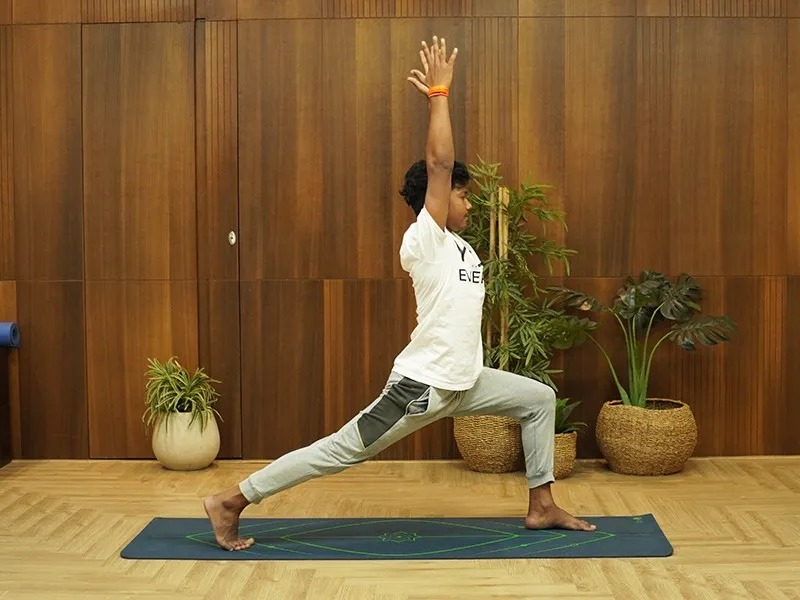
There is no fixed number of yoga asanas.
Traditional yoga texts mention 84 classical asanas, while modern yoga includes hundreds of variations.
Popular yoga poses include:
- Mountain Pose
- Tree Pose
- Cobra Pose
- Child’s Pose
- Downward Dog
- Warrior Pose
- Triangle Pose
- Bridge Pose
- Lotus Pose
- Corpse Pose
Beginners should focus on basic poses before trying advanced asanas and understand which is best yoga or exercise.
What Is the Aim of Yoga?
The primary aim of yoga is to create harmony between:
- Body
- Mind
- Breath
- Emotions
- Inner awareness
Modern benefits include:
- Better flexibility
- Improved posture
- Stronger muscles
- Better sleep
- Increased concentration
- Reduced stress
- Higher energy levels
Yoga is not only about fitness—it is also about overall well-being.
Is Yoga a Sport?
This is a common question.
The answer is both yes and no.
Traditional yoga is not considered a sport because its main goal is physical, mental, and spiritual balance.
However, Competitive Yoga (also called Yoga Sport) exists in some countries, where participants are judged on flexibility, balance, precision, and posture.
For most people, yoga is a wellness practice rather than a competitive sport.
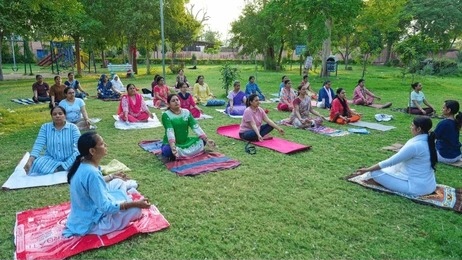
Benefits of Yoga
Physical Benefits
- Improves flexibility
- Increases balance
- Strengthens muscles
- Improves posture
- Supports joint health
Mental Benefits
- Reduces stress
- Improves focus
- Increases mindfulness
- Helps control anxiety
Lifestyle Benefits
- Better sleep
- Healthier habits
- Improved productivity
- Increased energy
Benefits of Regular Exercise
Exercise provides several powerful benefits:
- Burns more calories
- Builds muscle faster
- Improves cardiovascular fitness
- Strengthens bones
- Increases endurance
- Supports healthy weight management
Yoga vs Exercise: Which One Should You Choose?
Choose Yoga if you want:
- Better flexibility
- Stress relief
- Improved mental health
- Better posture
- Relaxation
Choose Exercise if you want:
- Rapid weight loss
- Muscle growth
- Athletic performance
- Increased stamina
Choose Both if you want the best overall health.
A balanced weekly routine might include:
- 3 days of strength or cardio exercise
- 2–3 days of yoga
- 1 recovery day
This combination supports physical fitness while improving mental well-being.
Common Mistakes to Avoid
Many beginners slow their progress by making these mistakes:
❌ Skipping warm-ups
❌ Ignoring proper breathing during yoga
❌ Expecting instant results
❌ Overtraining without recovery
❌ Comparing yourself with others
Instead, stay consistent and focus on gradual improvement.
Frequently Asked Questions (FAQs)
Which is better for beginners: yoga or exercise?
Yoga is often easier for beginners because it is low-impact and helps improve flexibility and balance. Light exercise such as walking is also an excellent starting point.
Can I do yoga and exercise on the same day?
Yes. Many people combine yoga with strength training or cardio. Yoga can be used before a workout for mobility or after a workout for recovery.
Is yoga enough for fitness?
Yoga improves flexibility, balance, and mental health. However, combining yoga with strength and cardiovascular exercise provides more complete fitness.
How many days should I practice yoga?
Beginners can start with 3–4 sessions per week. Daily practice can offer even greater physical and mental benefits when done safely.
Final Thoughts
So, which is best: yoga or exercise?
There isn’t a single right answer. Exercise is excellent for building strength, burning calories, and improving endurance, while yoga offers unique benefits for flexibility, stress management, posture, and overall well-being.
Rather than choosing one over the other, combining both creates a balanced fitness routine that supports a healthier body and a calmer mind. Consistency, proper technique, and realistic goals are the keys to long-term success.
Thank you sir, for watching our website ‘MONIHAR‘ , i hope your query is cleared.